In the world of machinery and lubrication, the oil filter plays a silent but powerful role. Whether it's a heavy-duty industrial machine, an automobile, or a hydraulic system, clean oil is crucial for optimal performance. Contaminated oil can lead to wear, corrosion, overheating, and even system failure. So, how does an oil filter work, and why is it so essential? Let’s break it down.
What Is an Oil Filter?
An oil filter is a component designed to remove contaminants from engine oil, transmission oil, lubricating oil, or hydraulic oil. These contaminants include dust, dirt, metal particles, and sludge that accumulate over time during machinery operation. The main function of an oil filter is to ensure the oil circulating within the system remains clean and effective.
How Does an Oil Filter Work?
An oil filter operates through a relatively simple but highly effective process. Here's how it works step-by-step:
1. Oil Enters the Filter
As the engine or machinery runs, oil is pumped from the sump or reservoir and passes through the filter before circulating throughout the system.
2. Filtering Through Media
The oil passes through filter media—usually made from synthetic fiber, cellulose, or a blend of both. This media is designed to trap contaminants as small as 5 microns. It acts like a sieve, allowing clean oil to pass while holding back impurities.
3. Contaminants Get Trapped
Particles such as dirt, metal shavings, carbon residue, and sludge are captured in the media. Over time, the media becomes loaded with debris, which is why oil filters must be replaced regularly.
4. Clean Oil Returns to the System
After filtration, the clean oil exits the filter and flows back into the engine or machinery components, ensuring proper lubrication and reducing wear.
Types of Oil Filters
There are different types of oil filters designed for various applications:
Full-flow filters: These filter all the oil before it reaches the engine. They're essential for cold-start protection.
Bypass filters: These filter only a portion of the oil at a time but at higher efficiency.
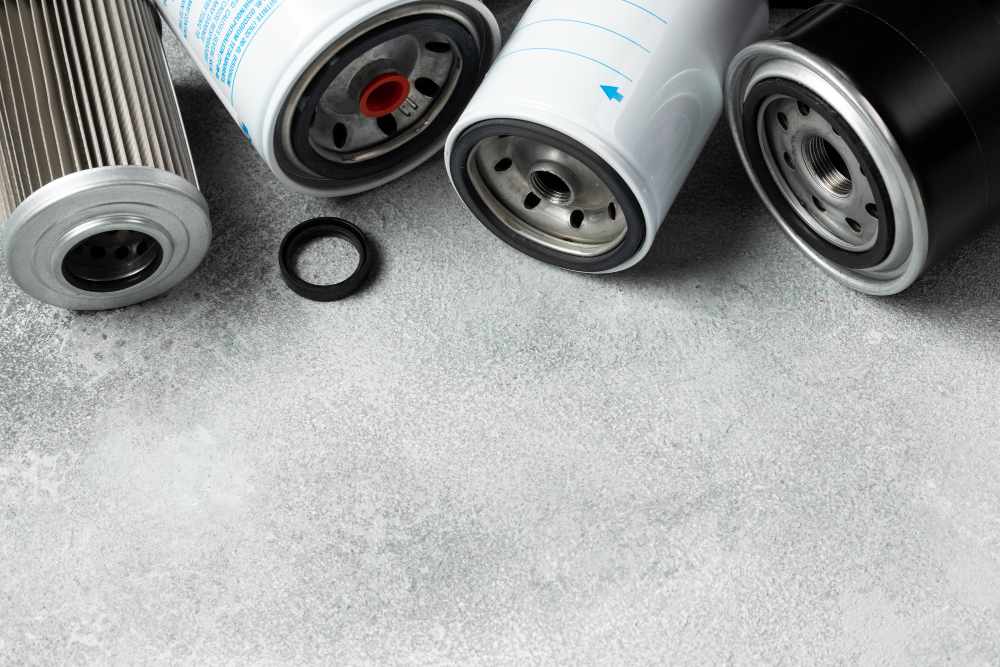
Spin-on filters: These are easy to install and replace, often used in vehicles.
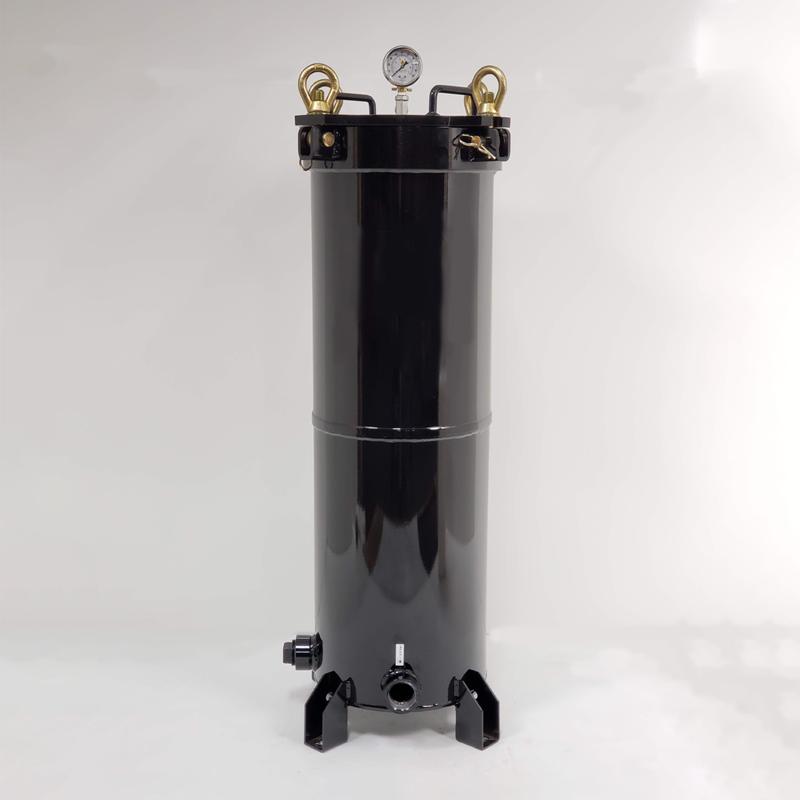
Cartridge filters: These have a replaceable filter element and are common in industrial systems.
Each type has specific advantages based on system requirements and maintenance practices.
Why Oil Filtration Matters
Without proper filtration, contaminated oil can lead to:
Increased friction and wear
Clogged components or passageways
Overheating due to poor lubrication
Reduced machinery lifespan
Increased maintenance and downtime
An effective oil filter is key to maintaining the performance and efficiency of your machinery. It directly impacts operational reliability and cost savings.
Oil Filtration and Industrial Machinery
At Micro-Lube, we understand that clean oil is the lifeline of any hydraulic or lubricating system. Our advanced oil filtration solutions are designed for a wide range of industries—from manufacturing and mining to power generation and transportation.
We offer state-of-the-art filtration systems and components that remove even the smallest particles, protecting your machinery and increasing its operational life. With decades of experience in lubrication and filtration, Micro-Lube delivers custom solutions to meet your specific needs.
Conclusion
An oil filter might be a small component, but it plays a big role in machinery performance. By understanding how an oil filter works and its importance, businesses can make better maintenance decisions, prevent costly breakdowns, and extend equipment lifespan. Regular oil filtration isn't just maintenance—it’s a smart investment in operational excellence.



Write a comment ...